


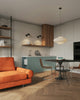
The Evolution of Home Furniture in Interior Design History
, by Eloy Royal, 5 min reading time
, by Eloy Royal, 5 min reading time
The world of interior design has witnessed a remarkable transformation over the centuries, with home furniture playing a pivotal role in defining each era's aesthetic. From the opulent designs of the Baroque period to the sleek minimalism of modern-day interiors, furniture has not only served a functional purpose but also mirrored the cultural and artistic shifts of its time.
In the early days of home furniture, pieces were predominantly crafted for utility. Simple wooden stools and tables furnished the basic needs of daily life. However, as civilizations evolved, so too did the design of these pieces. The Egyptians and Greeks began to infuse art into furniture, adding intricate carvings and luxurious materials. This trend continued through the Renaissance, where furniture became more ornate, reflecting the grandeur of the homes they inhabited.
Explore how to perfect your interior design with the right home furniture in this insightful article.
The Victorian era marked a departure towards more eclectic styles. With the rise of the middle class, home furniture became more accessible, reflecting diverse tastes and preferences. Dark woods, rich fabrics, and elaborate patterns dominated this period, showcasing a blend of opulence and newfound accessibility. The focus was on creating cozy yet lavish living spaces.
For timeless interior design, check out these must-have home furniture pieces.
The early 20th century brought forth a revolution in interior design, moving towards simplicity, functionality, and openness. Influenced by movements like Bauhaus and mid-century modernism, furniture took on cleaner lines and embraced new materials such as metal and glass. This era emphasized the harmony between form and function, banishing the excesses of the past.
Incorporate modern styles into your space with the Arched Top Industrial Open Shelf for a striking blend of practicality and aesthetics.
Today, interior design continues to evolve with a greater emphasis on sustainability and individuality. Homeowners seek to create spaces that reflect their personality while being mindful of environmental impact. Furniture design has seen a rise in the use of reclaimed materials, modular designs, and multifunctional pieces.
Discover the K&K 71' Tall Arched Kitchen Pantry Cabinet for a farmhouse touch that combines style and usability, perfect for the modern kitchen.
In addition, modern homeowners value comfort without sacrificing style. The Comfortable Glider Rocking Chair is a perfect example of this, providing a cozy yet stylish seating option for any room.
Stay updated with the latest trends in essential home furniture styles for modern interior design.
The journey of home furniture throughout history is a testament to our evolving tastes and the society's values. Whether it’s the simplicity of modern design or the elaborate intricacies of the past, furniture remains an integral element of interior design. As we look towards the future, the focus on personalized and sustainable choices is set to redefine how we furnish our homes.
Explore more about our collections and concepts by visiting EloyRoyal.
What were the primary influences on furniture design during the Renaissance?The Renaissance era saw a revival of classical art and architecture, leading to ornate furniture designs inspired by ancient Roman and Greek styles. Rich materials, intricate carvings, and an emphasis on symmetry characterized the furniture of this period.
How did the Industrial Revolution alter home furniture styles?The Industrial Revolution brought mass production, allowing furniture to be made more quickly and affordably. This period saw the rise of simpler, functional designs with an increase in the use of new materials like bentwood and iron, promoting a more utilitarian approach to home furnishings.
What role does functionality play in modern furniture design?Functionality has become a crucial aspect of modern furniture design, with many pieces serving multiple purposes to maximize space and usability. This trend reflects contemporary lifestyles that prioritize efficiency and adaptability in home environments.
How did mid-century modern furniture become so popular?Mid-century modern furniture gained popularity in the 1940s to the 1960s due to its clean lines, organic forms, and minimal ornamentation. The movement emphasized the use of new materials and technologies, responding to post-war consumer demand for affordable and stylish home furnishings.
What is the significance of sustainable materials in today’s furniture design?Sustainable materials have become increasingly significant in contemporary furniture design, reflecting a growing awareness of environmental impact. Designers are incorporating reclaimed wood, bamboo, and recycled materials, appealing to eco-conscious consumers who prioritize sustainability in their home decor choices.
How have cultural influences shaped furniture trends throughout history?Cultural influences play a vital role in furniture design, with distinct styles emerging from various regions and time periods. From the ornate carvings of Asian furniture to the minimalist Scandinavian designs, cultural heritage shapes aesthetics, materials, and functionality, resulting in diverse furniture trends.
What are some current trends in home furniture design?Current trends in home furniture design include a focus on minimalism, the use of bold colors and patterns, multifunctional pieces, and the integration of technology. Additionally, there is a significant move towards personalized and bespoke items that cater to individual tastes and preferences.
How can historical furniture styles inspire modern interior design?Historical furniture styles can serve as inspiration for modern interior design by providing timeless aesthetics and craftsmanship. Designers often blend traditional elements with contemporary features to create unique, harmonious spaces that honor the past while embracing modernity.